









Dishwasher not draining? We’ll help you decide whether you need a quick fix or a full replacement.
In this guide, we’ll discuss the most common reasons your dishwasher isn’t draining and give you practical steps to fix the problem and prevent it from happening again.
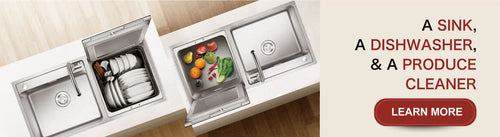
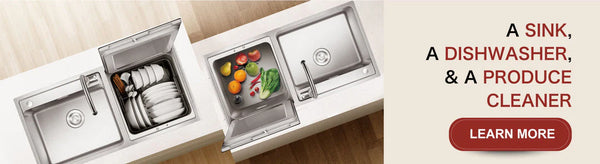
If your current appliance isn’t keeping up, it may be time for an upgrade. FOTILE’s 2-in-1, 3-in-1, and built-in dishwashers give you dry, spotless dishes with every cycle.
Check out our full collection of dishwashers and simplify your cleaning routine.
How Your Dishwasher’s Drainage System Works
Your dishwasher uses a pump to push dirty water out through a drain hose, while the filter catches food debris before it can cause clogs.
An air gap or high loop prevents backflow, keeping wastewater from re-entering your dishwasher during the cycle.
Signs Your Dishwasher May Have A Drainage Problem
If you notice any of the following signs, your dishwasher’s drainage system may be malfunctioning:
- Water sitting at the bottom of the dishwasher after a cycle
- Dishwasher hums but doesn’t drain properly
- Water backing up into your sink
- Gurgling or unusual draining noises
- Dishwasher stops mid-cycle or won’t complete a wash
- Dishes coming out dirty due to standing water
Why Isn’t Your Dishwasher Draining? 7 Common Causes
If your dishwasher isn’t draining, one of these common causes may be to blame:
1. Clogged Filter
A dirty filter can trap food debris and block water from draining properly.
2. Blocked Drain Hose
Kinks or buildup in the drain hose can prevent water from flowing out of the dishwasher.
3. Garbage Disposal Issues
If your dishwasher connects to the disposal, a clog or improper installation can stop drainage.
4. Air Gap Blockage
A clogged air gap can block water flow and cause drainage problems.
5. Drain Pump Failure
A faulty pump won’t push water out of the dishwasher at the end of a cycle.
6. Drain Valve Problems
If the drain valve doesn’t open correctly, water will stay inside the unit.
7. Sink or Main Drain Clog
A blockage in your sink or main drain line can back up water into your dishwasher.
How to Fix a Dishwasher That Won’t Drain
Follow these steps to troubleshoot your dishwasher drainage issue:
- Remove Standing Water: Scoop out or soak up any water at the bottom so you can safely inspect the interior.
- Clean the Filter: Take out the filter and rinse away food debris that could be blocking drainage.
- Check for Debris in the Drain Area: Look around the drain opening and remove any visible buildup or particles.
- Inspect the Drain Hose: Check for kinks or clogs in the hose that could be preventing water from flowing out.
- Run the Garbage Disposal: Turn on the disposal to clear any blockages if your dishwasher is connected to it.
- Clean the Air Gap: Remove the air gap cover and clean out any debris that could be restricting flow.
- Test the Drain Pump: Listen for unusual noises or lack of activity to see if the pump is working properly.
- Run a Test Cycle: Start a short cycle to confirm the dishwasher drains correctly after making these fixes.
When To Call A Professional For Repairs
If you’ve tried basic fixes and your dishwasher still won’t drain, it may be time to bring in a professional. Call a pro if:
- The dishwasher won’t drain after multiple cleaning attempts
- You hear unusual noises from the pump or motor
- The unit stops mid-cycle or won't drain at all
- There are leaks or water pooling under the appliance
- You suspect an issue with the drain pump, valve, or internal components
- Your appliance is showing error codes that you can’t resolve on your own
Is It Time For A New Dishwasher?
If drainage issues keep coming back, replacing your dishwasher may save you time, money, and frustration. It may be time for a new appliance if you notice any of the following:
- Your dishwasher won’t drain even after multiple fixes
- Repairs are becoming frequent or expensive
- You notice rust, cracks, or visible wear inside the unit
- Cleaning and drying performance has declined
- The appliance is over 8–10 years old
- Water leaks or pooling happen regularly
How To Prevent Future Drainage Issues
A few simple habits can keep your dishwasher draining properly and help you avoid future problems:
- Clean the filter regularly to prevent buildup
- Rinse off large food particles before loading dishes
- Run hot water in your sink before starting a cycle
- Check the drain hose occasionally for kinks or clogs
- Use the right detergent for your water type
- Run a cleaning cycle with a dishwasher cleaner as needed
- Keep the air gap clear and free of debris
Questions You May Be Asking About Your Dishwasher
Why is there water at the bottom of my dishwasher?
Standing water usually means there’s a blockage or issue preventing proper drainage.
Is it safe to run a clogged dishwasher?
Running a clogged dishwasher can make the problem worse and may lead to leaks or damage.
Does vinegar fix dishwasher clogs?
Vinegar can break down minor buildup, but it won’t clear more serious blockages.
How often should I clean my dishwasher’s filter?
You should clean the filter every few weeks or more often if you use your dishwasher frequently.
Get Sparkling Dishes After Every Cycle with FOTILE Dishwashers
Don’t settle for damp, dirty dishes. With FOTILE’s innovative dishwashers, you’ll get sparkling clean loads after every cycle.
Shop FOTILE’s full collection of dishwashers and make your kitchen cleanup routine a breeze.