
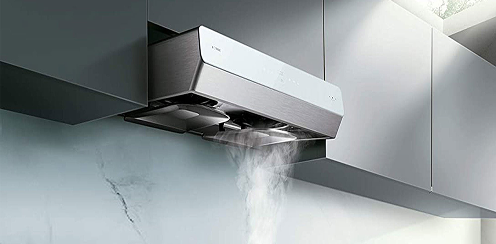
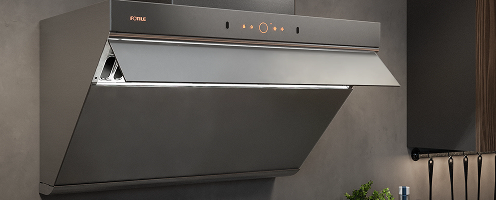







If you’re installing a new range hood, you may be wondering: do range hoods have to be vented outside, or can you choose another setup?
The short answer is no, but the right setup depends on the type of hood you choose.
Ducted range hoods must exhaust air outdoors, while ductless or recirculating models filter the air and return it to your kitchen. Local building codes and appliance requirements can also affect what’s allowed.
In this article, we'll explain how each type of range hood works and what a recirculating filter can and can't remove. We'll also cover how to size a hood and its airflow, and what building codes typically require.
Ready to upgrade your kitchen ventilation? Shop FOTILE’s full collection of range hoods to explore ducted and ductless models that keep your kitchen air clean and comfortable.
Why Does Your Kitchen Need A Range Hood?
A range hood pulls smoke, grease, odors, heat, and airborne particles away from your cooktop while you’re cooking. Depending on the type, it either vents that air outside or filters it before circulating cleaner air back into your kitchen.
Here’s what a range hood can do for your kitchen:
- Reduce smoke, fine particles, and other cooking pollutants in your kitchen air
- Remove excess heat so your kitchen stays more comfortable while you cook
- Clear lingering cooking odors before they spread through your home
- Protect cabinets, walls, and appliances from airborne grease and residue
- Remove steam and humidity to prevent condensation and moisture buildup
- Keep surrounding surfaces cleaner by capturing grease before it settles
Ducted vs. Ductless Range Hoods, Explained
The main difference between ducted and ductless range hoods comes down to where the air goes after your range hood pulls it away from the cooktop. Here’s how they differ:
| Factor | Ducted Range Hood | Ductless Range Hood |
|---|---|---|
| Vents outdoors | Yes | No |
| Smoke removal | Stronger | More limited |
| Odor removal | Stronger | Depends on filter performance |
| Heat removal | Yes | No |
| Moisture removal | Yes | No |
| Installation | More involved | Easier |
| Filter maintenance | Lower | Higher |
| Best for | Frequent or heavy cooking | Kitchens without exterior duct access |
Ducted Range Hoods
Ducted range hoods pull cooking air through ductwork and release it outside through an exterior wall or the roof. They offer the most complete removal of smoke, grease, heat, moisture, and odors. They're the best fit for gas ranges and frequent cooks. The tradeoff is installation: you need a clear duct path to the outdoors.
Pros:
- Removes smoke, grease, heat, moisture, and odors more effectively
- Better suited for frequent or high-heat cooking
- Keeps indoor air cleaner
Cons:
- Requires exterior ductwork
- Installation is usually more involved
- May cost more to install
Best for:
- Frequent home cooks
- Gas ranges
- Kitchens where exterior venting is available
Ductless Range Hoods
Ductless range hoods pass air through grease and charcoal filters, then recirculate it into the kitchen. They install easily and work in apartments, condos, and kitchens with no exterior access. They're best suited to electric or induction cooktops and light to moderate cooking.
Pros:
- Easier to install
- No exterior ductwork required
- Works well in apartments, condos, and rentals
Cons:
- Doesn’t remove heat or moisture
- Filters need regular replacement
- Less effective for heavy smoke and strong odors
Best for:
- Kitchens without exterior duct access
- Apartments and condos
- Induction cooktops or electric ranges
- Light to moderate cooking
Convertible Range Hoods
Convertible range hoods can be installed either way. For example, the FOTILE Pixie Air® series is a ducted hood that converts to recirculating with an optional kit. That makes it a practical choice if you plan to add ductwork during a future remodel.
What Recirculating Filters Can and Can't Remove
This is the part most comparisons skip. A ductless hood uses two filters. The grease filter traps grease droplets, and the activated charcoal filter absorbs odor molecules.
Neither filter removes heat, water vapor, carbon monoxide, or nitrogen dioxide. Those pass straight through and return to the room. Charcoal also stops working once it's saturated, so odor control gradually declines until you replace it. This is why a recirculating hood over a gas range manages odors and grease but can't handle combustion byproducts.
Which Type of Range Hood Is Best For Your Kitchen?
The right type of range hood depends on your stove, cooking habits, kitchen layout, and whether exterior ductwork is available.
A ducted range hood may be better for you if:
- You cook often or use high heat
- You have a gas stove
- You frequently fry, sear, or cook foods that create smoke and strong odors
- Your kitchen already has access to exterior ductwork
- You want better removal of heat, moisture, grease, and cooking fumes
A ductless range hood may be better for you if:
- You have an electric stove or induction cooktop
- You do mostly light to moderate cooking
- You live in an apartment, condo, or rental
- Your kitchen doesn’t have exterior duct access
- You want a simpler installation with fewer structural changes
How to Size a Range Hood and Choose the Right Airflow
A well-vented hood that's too small, or too weak for your duct run, will still let smoke escape. Check these four things before you buy.
Hood Width
Your hood should be at least as wide as your cooktop. Over gas ranges and high-heat cooking, go about 3 inches wider on each side for better capture. Island hoods have no wall or cabinets to guide rising smoke, so they generally need to be wider as well.
| Cooktop Width | Recommended Hood Width |
|---|---|
| 30 inches | 30 to 36 inches |
| 36 inches | 36 to 42 inches |
| 48 inches | 48 to 54 inches |
Airflow (CFM)
Range hood airflow is measured in cubic feet per minute (CFM). Two common rules of thumb:
- Electric and induction: about 100 CFM per 12 inches of cooktop width for wall-mounted hoods, and about 150 CFM per 12 inches for island hoods.
- Gas: about 1 CFM for every 100 BTUs of total burner output. A range with four 15,000 BTU burners (60,000 BTU total) calls for roughly 600 CFM.
A higher CFM number isn't automatically better. Published CFM is typically measured with little or no ductwork attached, and real airflow drops as the air meets resistance from ducts, elbows, dampers, and the exterior cap. That resistance is called static pressure. A hood built to maintain airflow against higher static pressure will perform closer to its rating once it's actually installed.
Makeup Air
The International Residential Code requires makeup air for range hoods capable of exhausting more than 400 CFM. Many local codes include this requirement. A makeup air system replaces the air your hood removes. Without it, a tightly sealed home can starve the hood of airflow. It can also pull exhaust back down the flues of fuel-burning appliances like water heaters and furnaces. Check with your local building department before installing a high-CFM hood.
Duct Size and Mounting Height
Always use the duct size your hood's manufacturer specifies, and never reduce it along the run. A smaller duct chokes airflow and increases noise. FOTILE's requirements are:
- Slant Vent and Perimeter Vent series: 6-inch round duct.
- Pixie Air series: 7-inch round duct for top venting, or a 10 x 3¼-inch rectangular duct for rear venting.
Mounting height also affects capture. FOTILE Slant Vent hoods install 29.5 to 32.5 inches from the cooktop to the bottom of the upper cabinet, and Pixie Air hoods install 32 to 36 inches. Follow your specific model's installation guide.
Why Should You Vent Your Range Hood Outside?
A ducted range hood can remove cooking air from your home instead of filtering and recirculating it. This makes it especially effective for kitchens that produce a lot of smoke, heat, grease, or steam.
Here’s why many homeowners choose ducted range hoods to vent kitchen air outside:
- Removes smoke, steam, grease, and cooking odors directly from your home
- Improves indoor air quality by reducing airborne cooking pollutants
- Carries excess heat and moisture outside instead of leaving them in your kitchen
- Requires less filter replacement than a ductless system
- Protects cabinets, walls, and appliances from grease and residue
- Can reduce strain on your HVAC system by clearing excess heat and humidity
- May make your kitchen more appealing to future buyers
Tips For Venting Your Range Hood Outside
A ducted range hood can vent through an exterior wall, through the roof, or up through the ceiling and then outdoors. The best route depends on your kitchen layout and where the hood is installed.
Use these tips to ensure a smooth ventilation process:
- Keep the duct run as short as possible for better airflow
- Minimize bends and elbows that can slow down exhaust
- Use smooth, rigid ductwork to reduce resistance and grease buildup
- Follow the manufacturer’s duct-size requirements for your specific range hood
- Seal duct connections securely to prevent air leaks
- Install an exterior cap or damper to keep weather, pests, and outside air from entering the duct
Everything You Should Know About Venting Range Hoods
Which type of range hood is best for a gas stove?
A ducted range hood is best for a gas stove because it removes heat, moisture, smoke, grease, and combustion byproducts from the kitchen. Choose a hood with enough airflow for your cooking habits and follow the manufacturer’s installation requirements.
Does an over-the-range microwave have to vent outside?
Not always. Some over-the-range microwaves vent outdoors, while others use recirculating filters and return the air to the kitchen.
Can a range hood vent into the attic?
No, a ducted range hood should not vent into the attic. The duct should continue all the way outdoors so moisture, grease, and cooking fumes do not collect inside the home.
Do building codes require range hoods to vent outside?
Under the International Residential Code (Section M1503), which most U.S. jurisdictions adopt in some form, a ducted range hood must discharge outdoors. Listed ductless hoods are generally permitted when installed per the manufacturer's instructions. Hoods above 400 CFM typically require makeup air. Local amendments vary, so confirm with your building department.
Keep Your Kitchen Air Clean & Safe with FOTILE’s Innovative Range Hoods
Don’t let smoke, grease, odors, or excess moisture linger every time you cook.
Shop FOTILE’s full collection of range hoods to find a ducted or ductless model that keeps your kitchen cleaner, fresher, and safer.