







Keeping your kitchen clean doesn't have to feel like a never-ending battle against dirty dishes that sit around in the sink or on the counter for days.
In this blog, we'll explore how to keep your kitchen clean, including timely dishwashing and regular deep cleans. These 17 tips will transform your approach to kitchen maintenance by helping you minimize clutter and optimize your cleaning routine.
We'll also see how appliances like in-sink dishwashers and range hoods can streamline these tasks, and where a different tool is the better call.
Browse FOTILE's collection of efficient and aesthetically pleasing kitchen appliances.
1. Clean As You Cook or After Eating
Adopting the habit of cleaning as you cook or immediately after meals can dramatically reduce kitchen clutter and simplify your cleaning routine. If you wash dishes when you're done using them, you ensure that messes don't pile up and make the task of keeping your kitchen clean feel less daunting.
Cleaning as you go is easiest when you set up before the first pan heats up:
- Prep first. Chop, measure, and toss packaging before you turn on a burner. Chefs call this mise en place, and it clears the counter before cooking starts.
- Keep a scrap bowl nearby. Peels, shells, and wrappers go into one bowl instead of making trips to the trash.
- Use the pauses. Fill one side of the sink with hot, soapy water. While something simmers or bakes, drop in used tools and wipe the counter.
2. End The Night With a Clean Kitchen
Ending each night with a clean kitchen sets the tone for a productive and refreshing start to the following day. Create a clutter-free environment for your morning by establishing a nightly routine that includes washing dishes, wiping down surfaces, throwing garbage into the trash can, and ensuring everything is in its place.
This cleaning routine can significantly reduce the workload of bigger cleaning sessions, making kitchen maintenance less of a chore and more of a simple daily habit. Start the dishwasher before bed so it's clean and ready to unload in the morning.
3. Empty The Dishwasher Immediately
Promptly unloading your dishwasher keeps your kitchen looking organized and ensures that dishes are ready for use when needed. Keeping an empty dishwasher prevents the sink from becoming cluttered with dirty dishes and contributes to maintaining a cleaner and more efficient kitchen environment.
Pair it with something you already do each morning, like brewing coffee, and it quickly becomes automatic.
4. Use an In-Sink Dishwasher
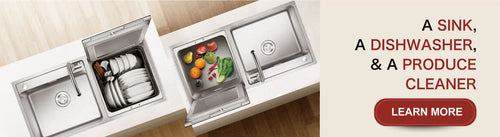
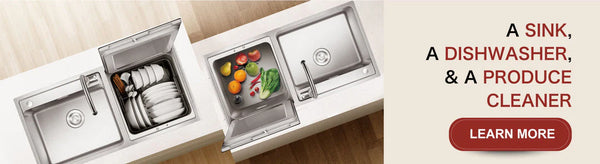
In-sink dishwashers offer a unique solution to space and efficiency challenges in smaller kitchens, seamlessly integrating dish cleaning within the kitchen workflow. This innovative appliance reduces clutter by combining two essential kitchen functions into one unit, making it an ideal choice for compact living spaces or for those looking to maximize their kitchen's utility.
The convenience of washing and storing dishes in the same location streamlines kitchen tasks, making cleanup quicker and more efficient. Fotile's 2-In-1 In-Sink Dishwasher exemplifies this innovation, providing space savings and enhanced functionality with its advanced cleaning technologies.
How it helps: most kitchen messes start in the sink. A plate gets rinsed and left, then another lands on top. With an in-sink dishwasher, the sink basin is the dishwasher, so dirty dishes go straight in, the lid closes, and the pile never forms.
Where it falls short: it holds a smaller load than a standard 24-inch dishwasher. It works best for apartments, small kitchens, households of one to three people, or as a second unit for quick daytime loads. If you run full loads every night for a big family, or you wash a lot of stockpots and sheet pans, a full-size dishwasher is usually the better fit.
5. Keep the Sink Empty
Keeping your sink empty is key to a tidy kitchen. It prevents pile-ups and makes dishwashing feel less like a daunting task. With an organized approach, the kitchen remains a cleaner, more inviting space.
An empty sink is also one you can actually disinfect. In NSF International's household germ study, the kitchen sink ranked as the second germiest spot in the home, right behind the sponge. Once a day, wash the basin with dish soap, spray it with a disinfectant, and let it sit wet for the contact time on the label before rinsing. Once a week, scrub the drain and strainer basket where food bits collect.
6. Clean Out Your Refrigerator Weekly
A weekly refrigerator clean-out is essential for maintaining freshness and hygiene. Removing old or unused items like spoiled milk prevents the buildup of unpleasant odors and keeps your fridge organized.
By decluttering your refrigerator regularly and wiping it down with a paper towel and some baking soda, you ensure that everything inside is fresh and safe to eat. Keep the fridge at 40°F or below, and toss cooked leftovers after 3 to 4 days, which is the USDA's safe window. This habit helps in minimizing waste by reminding you of what needs to be used up soon. Plus, a tidy fridge makes meal planning and grocery shopping more efficient, as you have a clear view of what you already have.
7. Ventilate Out Smells With Your Range Hood
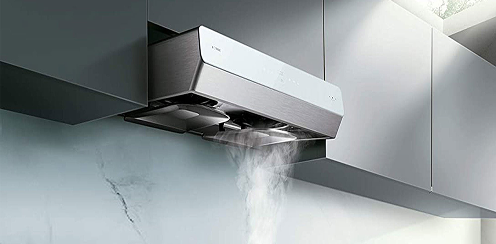
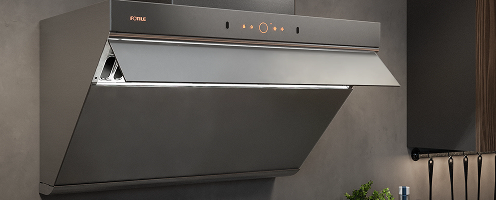
A range hood is an essential appliance in any kitchen, especially for those who enjoy cooking at home. It works effectively to remove smoke, odors, and grease from the air, ensuring the kitchen environment remains clean and pleasant. This ventilation helps in maintaining good air quality, preventing the spread of cooking smells throughout the home.
Why grease ends up on your cabinets: when oil gets hot, it breaks into tiny droplets that rise with steam and smoke. Whatever the hood doesn't pull in cools and settles on the nearest surfaces. That's why the cabinets beside the stove and the ceiling above it get sticky first.
To capture more of it:
- Turn the hood on a few minutes before you start cooking and leave it running 10 to 15 minutes after.
- Use the back burners when you can. The hood captures more from the back of the cooktop.
- Clean your range hood filters every one to three months, depending on how often you cook. A clogged filter restricts airflow, so less grease gets pulled in and more lands on your kitchen.
FOTILE range hoods are built for high-heat cooking like searing and stir-frying, where the most grease goes airborne.
8. Empty The Trash Every Night
Emptying the trash every night is a big step in maintaining a fresh and odor-free kitchen environment. By consistently removing waste at the end of the day, you prevent the buildup of unpleasant smells and ensure that your kitchen remains a pleasant and inviting space.
This simple habit goes a long way in maintaining cleanliness, making it easier to manage waste disposal and preventing pests from becoming a problem. Once a month, rinse out the bin and sprinkle a little baking soda in the bottom to absorb odors.
9. Create a Family Chore Chart
Creating a family chore chart is a smart strategy to distribute cleaning responsibilities among household members, preventing the burden from falling solely on one person's shoulders. By designating specific tasks for each family member, you establish a sense of teamwork and accountability, ensuring that the kitchen remains consistently clean.
Whether it's washing dishes, wiping down surfaces, or taking out the trash, everyone can contribute to maintaining a tidy kitchen. Match tasks to age: younger kids can clear plates and wipe the table, while teens can load the dishwasher or handle the trash.
10. Soak Pots and Pans If You're Too Busy
When you find yourself too busy to tackle the dishes immediately, consider soaking your pots and pans with hot, soapy water. This simple yet effective technique can significantly ease the washing process later on. By allowing cookware to soak in soapy water, you soften stubborn food residues, making them easier to remove when you do have the time to wash up.
This saves you effort and ensures that your pots and pans remain in good condition. For burnt-on food, add a spoonful of baking soda to the water. Skip the soak for cast iron and wooden tools, since standing water can cause rust and cracks.
11. Wipe Counters Right After a Mess
Taking swift action by wiping your kitchen counters right after a mess occurs is a proactive way to prevent stains and maintain a sanitary workspace. Whether it's spills, crumbs, or food scraps, addressing the issue immediately ensures that it doesn't have a chance to set or attract pests.
Wiping your counters after a mess keeps your kitchen looking pristine and promotes food safety by eliminating potential sources of contamination.
What you wipe with matters too. A damp, old sponge can spread bacteria across the counter instead of removing it. Rinse and wring your sponge after each use and let it dry standing up. Sanitize it every few days in the dishwasher or by microwaving it damp for one minute, and replace it about once a week. Toss dishcloths in the wash every day or two, and use a paper towel for raw meat juices.
12. Clean The Floors Daily
Cleaning the floor daily is a simple yet highly effective way to maintain the overall cleanliness of your kitchen. A quick sweep or mop not only keeps the space looking its best but also plays a crucial role in preventing pest infestations. By removing crumbs and food debris promptly, you eliminate potential attractions for unwanted pests.
Plus, cleaning your kitchen floors often saves you from the hassle of tackling built-up dirt and grime later on. Sweep or vacuum daily, and mop once a week or after a spill.
13. Only Start Cooking With a Clean Kitchen
Embarking on your culinary endeavors with a clean kitchen sets the stage for a more enjoyable and creative cooking experience. Before you start cooking, take a moment to ensure your kitchen is tidy and organized.
The fastest way to get there is fewer things on the counter. Keep out only what you use every day, and give the rest of the counter three zones:
- Prep zone: cutting boards and knives, with the most open counter space.
- Cooking zone: oils, spices, and utensils next to the range.
- Cleaning zone: soap, brush, and towels by the sink.
When everything has a home, putting it away takes seconds. Moreover, a clean kitchen provides a hygienic area for meal preparation, reducing the risk of cross-contamination and promoting food safety.
14. Create a Checklist
Establishing a daily or weekly cleaning checklist can be a valuable tool to ensure that no cleaning task in your kitchen is overlooked. By systematically listing chores, like disinfecting the sink after raw meat juices touch it, you create a structured approach to kitchen maintenance. This checklist acts as a visual guide, reminding you of specific cleaning tasks that need attention, from wiping down appliances to disinfecting surfaces.
Here's the schedule we recommend:
| How Often | Tasks |
|---|---|
| Daily | Wash dishes or run the dishwasher, wipe counters and stovetop, clean and disinfect the sink, sweep the floor, take out the trash, wring out and dry your sponge |
| Weekly | Clean out the fridge, clean the microwave, wipe appliance fronts and handles, mop the floor, replace the sponge, wash dish towels |
| Monthly | Degrease cabinets and backsplash, clean the dishwasher filter, clean drip pans, rinse the trash bin, clean behind appliances |
| Every 1 to 3 Months | Clean range hood filters, deep clean the oven |
Keep your supplies in one caddy under the sink: dish soap, an all-purpose spray, a disinfectant, a degreaser, microfiber cloths, a scrub brush, and baking soda. When everything is in one spot, a two-minute wipe down doesn't turn into a search.
15. Clean Appliances Weekly
Regularly cleaning your kitchen appliances on a weekly basis is a vital maintenance practice that enhances their longevity and ensures their optimal efficiency. Cleaning your stove, oven, microwave, and other kitchen appliances regularly prevents the buildup of grease, food residues, and grime, which can affect their performance and hygiene.
A quick weekly pass:
- Microwave: heat a bowl of water with lemon slices or a splash of vinegar for 3 minutes, leave the door shut a few more minutes, then wipe. The steam loosens dried splatter.
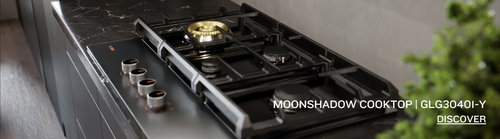
- Stovetop: wipe once it's cool with a cleaner made for your surface. Glass and induction tops need a non-scratch pad.
- Handles and panels: wipe fridge, oven, and dishwasher handles and controls, the spots hands touch most.
- Small appliances: empty the toaster crumb tray and wipe down the coffee maker.
16. Do a Deep Clean Monthly
Performing a deep cleaning session in your kitchen on a monthly basis is a valuable practice to address areas that might be overlooked during daily upkeep. While daily routines focus on immediate cleanliness, a monthly deep clean delves into hidden corners, appliances, and hard-to-reach spaces.
Doing a monthly deep cleaning session involves tasks such as cleaning behind appliances, deep cleaning the oven, and scrubbing grout lines. This ensures the removal of accumulated dirt and grime to promote a healthier cooking space, making your kitchen maintenance routine more effective.
Give the cabinets and backsplash near the stove extra attention. Warm water with a few drops of dish soap cuts light grease. For sticky buildup, use a paste of baking soda and water on a soft cloth, then wipe dry. Test a hidden spot first, since some wood finishes can dull. If you're scrubbing grease off the same cabinets every month, your hood may not be capturing enough (see tip 7).
17. Don't Neglect Your Drip Pans
Drip pans are one of the most frequently overlooked areas when it comes to kitchen cleaning, but they shouldn't be. Positioned directly beneath your stove's burners, these pans catch food particles, grease, and spills. When ignored, that buildup can lead to unpleasant odors, stubborn stains, and even pose a fire hazard over time. Regularly cleaning your drip pans not only keeps your kitchen looking fresh but also helps your electric range perform more efficiently.
FAQs
Quick Answers to Common Kitchen Cleaning Questions
What is the 1-minute rule for cleaning?
If a task takes less than a minute, do it now. Author Gretchen Rubin made the rule popular, and it fits the kitchen well: rinse the mug, wipe the drip, put the milk back. Small jobs done right away never add up to a big one.
What are the 5 rules of kitchen hygiene?
The World Health Organization's Five Keys to Safer Food are a good standard:
- Keep hands, surfaces, and tools clean.
- Keep raw meat separate from cooked and ready-to-eat food.
- Cook food all the way through.
- Keep food at safe temperatures.
- Use safe water and fresh ingredients.
What are 10 steps to keep a kitchen clean?
Start with a clean kitchen, prep before you cook, clean as you go, wipe spills right away, keep the sink empty, run the dishwasher at night, take out the trash, sweep the floor, follow a weekly and monthly schedule, and share the work.
Keep Your Kitchen Clean With an In-Sink Dishwasher or Range Hood From Fotile
Embracing these 17 tips and ideas can lead to a consistently clean kitchen that enhances your cooking experiences and enjoyment of spending time in the kitchen. FOTILE's kitchen appliances, like the in-sink dishwasher and convertible range hood, can cut down the two biggest sources of kitchen mess: the sink pileup and airborne grease.
Shop FOTILE's deals of the day and see our collection of in-sink dishwashers and range hoods today to help keep your kitchen clean at all times.