






If you are planning a kitchen remodel, appearance is only part of the decision. The function of your kitchen appliances and how well they support your cooking habits are just as important.
The details matter when choosing a gas cooktop. Comparing double ring and triple ring burners can help you understand which design offers the heat coverage, control, and cooking versatility your kitchen needs.
These burner types differ in power output, temperature control, heat consistency, and the cooking tasks they handle best. In this guide, FOTILE explains those differences so you can make a more informed cooktop decision.
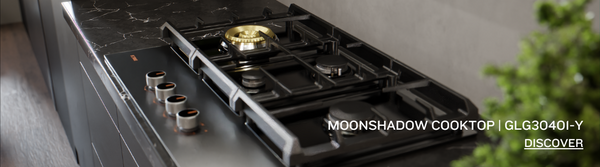
FOTILE offers gas, electric, and induction options for remodels, custom homes, and compact kitchens. Explore the available cooktops to compare configurations for your space.
What Is a Double Ring Burner?
Imagine a standard gas cooktop. When you turn on a burner, the spark igniter clicks and a ring of blue flames appears. This familiar design usually relies on a single ring of flame beneath the cookware.
A single ring burner can handle many everyday cooking tasks, but its flame may be concentrated around a smaller area of the pan. Depending on the burner and cookware, this can result in:
- Less even heat distribution across larger pans
- A narrower range of flame coverage
- Fewer points of contact between the flame and cookware
A double ring burner adds a second concentric circle of flame. The wider flame pattern creates more contact beneath the pan and may provide more even, efficient heating across different cookware sizes.
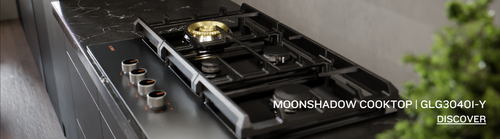
FOTILE offers a double-ring gas cooktop with a modern design that can complement a variety of kitchen styles.

What Is a Triple Ring Burner?
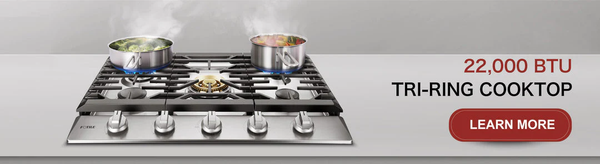
A triple ring burner builds on the double ring design by adding a third concentric circle of flame. This additional flame zone can provide broader heat coverage across different cookware sizes while maintaining a compact burner design.
Triple ring burners can be incorporated into various cooktops, ranges, and freestanding cookers. Their actual heat coverage and efficiency depend on the burner design, BTU output, flame controls, and cookware being used.

The table below provides a quick comparison of double and triple ring burners:
| Comparison | Double Ring Burner | Triple Ring Burner |
|---|---|---|
| Flame zones | Two concentric rings | Three concentric rings |
| Heat coverage | Suited to many everyday pan sizes | Broader coverage for larger pans and woks |
| High-heat tasks | Sautéing, frying, and boiling | Rapid boiling, searing, and stir-frying |
| Low-heat cooking | Depends on minimum BTU and flame control | Can offer a wider range, but minimum BTU still matters |
| Best fit | Everyday cooking with balanced heat | Cooks seeking greater power and heat flexibility |
Advantages of a Triple Ring Burner
Triple ring burners can provide broader pan coverage and a wider heat range for different cooking tasks. Higher maximum BTU output supports rapid boiling, searing, and stir-frying, while controlled lower heat is important for simmering sauces, warming ingredients, and melting butter without burning it.
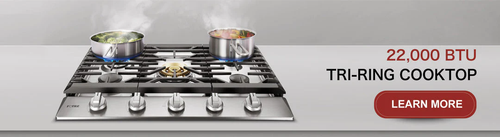
More BTUs do not automatically mean better performance. When comparing burners, consider both the maximum and minimum heat output, along with how precisely the flame can be adjusted. Compare heat output with FOTILE’s gas cooktop BTU guide, then explore the Tri-Ring Series to find the right balance of power and precision for your kitchen.

Why Professional Chefs Prefer Multi-Ring Burners
Cooks who frequently switch between high-heat searing and controlled simmering often value multi-ring burners for their flame coverage and responsiveness. A wider cooking range can make it easier to use different cookware sizes and techniques on the same cooktop.
The better choice still depends on how you cook. A double ring burner may provide enough heat and coverage for everyday meals, while a triple ring burner may better suit large cookware, wok cooking, and recipes that require a broader temperature range.
Explore FOTILE’s Tri-Ring Series or compare all available cooktops to find the configuration that fits your kitchen.