







Tired of unloading plates, glasses, and silverware that still look dirty after a full cycle?
If your dishwasher is not cleaning dishes, the problem may be rooted in a clogged filter, blocked spray arms, poor loading, water issues, or the wrong detergent.
Here, you’ll learn the most common reasons your dishwasher isn’t cleaning properly, along with simple fixes and signs it may be time to replace your appliance.
Ready for cleaner dishes with less effort? Explore FOTILE’s full collection of dishwashers and simplify your cleaning routine.
Reasons Your Dishwasher Is Not Cleaning Dishes
Here are the most common reasons your dishwasher may not be cleaning properly:
1. Dirty or Clogged Filter
A dirty filter can trap food particles and stop clean water from circulating through the dishwasher.
2. Spray Arms Blocked or Not Spinning
Large dishes, utensils, or racks can block the dishwasher’s spray arms, preventing water from reaching every item.
3. Spray Arm Holes Clogged
Food debris or mineral buildup can clog the small spray arm holes and reduce water pressure during the wash cycle.
4. Dishwasher Not Getting Enough Water
If your dishwasher isn’t filling properly, try the cup test by placing a cup upright on the top rack and checking whether it fills with water during the cycle.
5. Drain Is Clogged or Not Working
A clogged drain can leave dirty water inside the dishwasher, causing residue to settle back onto your dishes.
6. Wrong Dishwasher Detergent
Using the wrong detergent can lead to poor cleaning, extra suds, or leftover film on dishes.
7. Detergent Dispenser Not Opening
If the dispenser doesn’t open during the cycle, detergent won’t release properly and your dishes may not get clean.
8. Dishes Aren’t Loaded Properly
Overloading or placing items too close together can block water and detergent from reaching every surface.
9. Silverware Nesting Together
When spoons, forks, or knives sit too closely together, water can’t wash between them effectively.
10. Using the Wrong Wash Cycle
A light or quick cycle may not be strong enough for heavily soiled dishes or baked-on food.
11. Water Temperature Too Low or Too High
Water that’s too cool may not dissolve detergent well, while water that’s too hot can cause certain soils to stick harder.
12. Hard Water Buildup / No Rinse Aid
Hard water minerals and missing rinse aid can leave spots, film, and cloudy residue on dishes.
13. Food Not Scraped Off Properly
Large food pieces can clog the filter, block spray arms, and keep dishes from getting fully clean.
14. Old or Worn-Out Dishwasher Parts
Worn spray arms, seals, pumps, or valves can reduce cleaning performance over time.
15. Low Water Pressure Throughout Your Home
Low water pressure can prevent your dishwasher from filling and spraying with enough force to clean properly.
Quick Fixes To Help Your Dishwasher Clean Better
Before calling for repairs, a few simple adjustments may improve your dishwasher’s cleaning performance right away.
Try these quick fixes to help your dishes come out cleaner after every cycle:
Check To See If The Dishwasher Tablet Has Dissolved
In some cases, your dishes may not be clean because the dishwasher tablet hasn’t dissolved properly. Check the tablet tray and make sure the tablet has fully dissolved.
Check To See If Spray Arms Are Blocked
Blocked nozzles or spray arms can prevent your dishwasher from properly cleaning. Here’s how to clean the spray arms to prevent blockages:
- Detach the upper and lower spray arms
- Using a toothpick, clean the small outlet nozzles on each spray arm
- Thoroughly rinse the spray arms
- Lock the upper and lower spray arms back into position
Check Your Dishwasher Filter
A clogged filter can prevent proper water flow in your dishwasher. Follow these steps to clean out your appliances filtration system:
- Take out the dishwasher rack
- Unlock the filter unit at the base of the dishwasher and pull it out
- Carefully unscrew the cylindrical filter
- Use a gentle brush to clean the inside of the filter and remove debris, avoiding abrasive sponges
- Reassemble the filter and put it back into the dishwasher
Make Sure Your Dishwasher is Properly Loaded
Improper loading can cause water blockages and lead to dirty dishes after a cycle. Follow these tips to make sure your dishes are properly loaded:
- Load cups and glasses into the top rack
- Place dishwasher-safe plastics in the top rack
- Do not place utensils above the tablet collecting tray
- Place pots, pans, and plates in the lower rack
- Mix forks and knives in the cutlery basket to avoid nesting
- Place knives sharp-edge down to avoid exposure to bacteria
- Place heavily soiled dishes in the lower rack
Make Sure You’re Using The Right Setting
For heavily soiled dishes, run your dishwasher on a higher temperature setting.
Dishwasher not drying or draining? Learn about other troubleshooting tips in our full blogs.
Maintenance Tips: Keep Your Dishwasher Running Properly
A few simple maintenance habits can help your dishwasher clean more effectively and last longer.
Regular cleaning and proper use can also prevent buildup, odors, and poor washing performance:
- Clean the dishwasher filter regularly to remove trapped food and debris.
- Wipe down the door seal to prevent buildup and odors.
- Inspect and clean the spray arms to keep water flowing properly.
- Use rinse aid consistently to reduce spots and improve drying performance.
- Run a dishwasher cleaning cycle periodically to remove grease and mineral buildup.
- Avoid overloading dishes so water can circulate freely during the wash cycle.
- Scrape large food pieces off dishes before loading the dishwasher.
- Use the correct detergent for your dishwasher model and water type.
- Check the drain area occasionally for clogs or trapped debris.
- Leave the dishwasher door slightly open after cycles to help reduce moisture and odors.
Should You Repair or Replace Your Dishwasher?
If your dishwasher isn’t cleaning properly, the right solution depends on the age of the appliance, the severity of the issue, and how often problems keep happening.
In some cases, a quick repair is enough, while others may call for a replacement.
Repairs may be enough if:
- The filter, spray arms, or drain simply need cleaning
- The problem started recently and isn’t happening consistently
- The dishwasher is still relatively new
- A single part like the dispenser or spray arm needs replacement
- Cleaning performance improves after basic troubleshooting steps
It may be time to replace your dishwasher if:
- Your appliance is more than 8–10 years old
- Repairs are becoming frequent or expensive
- Dishes still come out dirty after multiple fixes
- You notice leaks, rust, or visible interior damage
- The motor, pump, or major components are failing
- You want better energy efficiency and improved cleaning performance
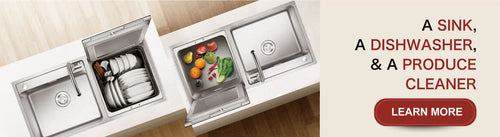
Ready for a new dishwasher? Shop FOTILE’s innovative in-sink, top-load, and built-in models for spotless dishes every time.
Questions You May Be Asking
Why does my dishwasher leave residue?
Residue is often caused by hard water, clogged spray arms, dirty filters, or using the wrong detergent. Poor loading and low water temperature can also leave behind food particles or cloudy film on dishes.
Should I rinse dishes before loading the dishwasher?
You should scrape off large food pieces, but most modern dishwashers work best when dishes aren’t fully pre-rinsed. Leaving small amounts of food behind can actually help certain detergents clean more effectively.
How often should I clean my dishwasher filter?
Most dishwasher filters should be cleaned about once a month, though heavy use may require more frequent cleaning. Regular filter cleaning can improve water circulation and keep food debris from building up inside the dishwasher.
Keep Your Dishes Sparkling with FOTILE’s Innovative Dishwashers
Leave cloudy glasses and grubby dishes in the past.
Shop FOTILE’s full collection of innovative dishwashers to upgrade your kitchen with powerful cleaning, modern design, and everyday convenience.