
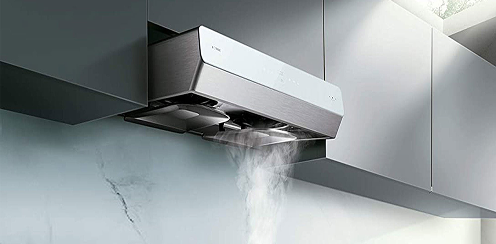
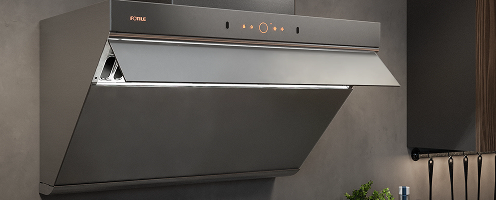







The main difference between ducted and ductless range hoods is where the kitchen air goes. A ducted range hood sends smoke, grease, odors, heat and moisture outside through ductwork. A ductless range hood filters the air and recirculates it back into the kitchen.
A ducted hood is generally the stronger choice when exterior ventilation is available, and you frequently fry, sear or cook with high heat. A ductless hood may be more practical when installing ductwork is not possible, affordable or permitted.
Your kitchen layout, existing ventilation, cooking habits, maintenance preferences, and total budget should all inform the decision. If you want more background before comparing the two systems, learn how range hoods work.
Ducted vs. Ductless Range Hoods at a Glance
| Factor | Ducted Range Hood | Ductless Range Hood |
|---|---|---|
| How it handles air | Moves cooking air through ductwork and releases it outdoors | Passes air through grease and charcoal filters before returning it to the kitchen |
| Best suited for | Frequent cooking, high-heat methods and kitchens with an exterior venting route | Apartments, condos, compact kitchens and homes where ductwork is impractical |
| Installation | Requires correctly sized ductwork and an exterior termination point | Does not require an exterior duct, although mounting and electrical requirements still apply |
| Upfront cost | Often higher when new ductwork or structural modifications are needed | Often lower when no ductwork modifications are required |
| Ongoing cost | Requires grease-filter cleaning and periodic inspection of the ventilation path | Requires grease-filter care and recurring charcoal-filter replacement |
| Smoke and odor control | Removes captured smoke and odors from the home | Filters captured smoke and odors before recirculating the air |
| Heat and moisture | Directs captured heat and moisture outside | Returns filtered air and remaining moisture to the kitchen |
| Placement flexibility | Limited by the available duct route | Offers more flexibility in kitchens without exterior venting access |
| Noise | Depends on the blower, duct design and fan speed | Depends on the motor, filter resistance and fan speed |
Quick recommendation: Choose a ducted range hood when ventilation performance is the priority and a practical exterior duct route is available. Choose a ductless range hood when installation flexibility matters more and you are prepared to replace the charcoal filters regularly.
What Is a Range Hood?
A range hood is a kitchen ventilation appliance installed above a range or cooktop. It captures smoke, steam, grease, cooking odors, and heat produced during cooking.
Although range hoods are available in several mounting styles and sizes, their ventilation systems generally fall into two categories:
- Ducted range hoods capture cooking air and move it through ductwork to the exterior of the home.
- Ductless range hoods use grease and activated-charcoal filters before recirculating the air into the kitchen.
The right system depends on your cooking needs and whether your kitchen provides a suitable route for exterior ventilation.

How Do Ducted Range Hoods Work?
Ducted range hoods, also known as vented range hoods, use a blower to draw cooking air into the hood. Grease filters capture larger airborne particles before the remaining air travels through ductwork and exits the home through a wall or roof vent.
The duct route, diameter, number of turns, and total length can affect airflow, sound, and overall performance. A short, properly sized route with fewer bends generally allows the hood to move air more efficiently than a long or restrictive duct configuration.
Before choosing a model, review the kitchen’s existing ventilation path and the manufacturer’s requirements. FOTILE’s range hood installation guide explains additional factors to evaluate before installation.

Advantages of a Ducted Range Hood
Ducted range hoods offer several performance and maintenance advantages when the kitchen can accommodate exterior ventilation.
1. More Effective at Removing Contaminants
A ducted hood sends captured smoke, odors and airborne cooking particles outside instead of returning the filtered air to the kitchen.
2. May Provide Quieter Operation
A well-designed ducted system may run more quietly than a comparable recirculating setup because the air doesn't have to pass through a dense charcoal filter. Actual sound levels depend on the hood, blower location, duct design and selected fan speed.
3. No Charcoal Filters to Replace
Ducted hoods generally use washable or reusable grease filters rather than the replaceable charcoal filters required for ductless operation. The grease filters still need routine cleaning to preserve airflow.
4. Suited to Frequent and High-Output Cooking
Exterior ventilation is especially useful for households that frequently fry, sear, wok cook or prepare foods that generate substantial smoke, grease and odors.
5. Straightforward Filter Maintenance
Routine care generally centers on cleaning the grease filters and hood surfaces. Keep the duct and exterior termination unobstructed, and inspect them if performance changes.
6. Better at Removing Heat and Moisture
Because captured air is directed outdoors, a ducted hood can help remove heat and moisture generated during cooking instead of recirculating them into the kitchen.
Disadvantages of a Ducted Range Hood
The primary drawbacks of ducted ventilation involve installation requirements, placement and upfront expense.
1. More Complex Installation
A ducted hood must connect to an exterior ventilation route. Creating or modifying that route may require openings through cabinetry, walls, ceilings or the roof, as well as electrical and finish work. Professional installation may be necessary depending on the model and project.
2. Not Suitable for Every Home
A practical exterior duct route may not be available in every kitchen. Renters and condominium owners may also face lease, association or building restrictions on exterior modifications.
3. Higher Upfront Installation Costs
A ducted model may be cost-effective when compatible ductwork is already present. If a new exterior route must be created, labor, duct materials, and structural modifications can make the initial project more expensive.
How Do Ductless Range Hoods Work?
Ductless range hoods, also called recirculating range hoods, draw cooking air through a grease filter and an activated-charcoal filter. The grease filter traps larger airborne particles, while the charcoal filter helps reduce odors before the air returns to the kitchen.
Because a ductless system does not need to reach an exterior wall or roof vent, it can work in kitchens where conventional ducting is difficult or prohibited. However, it does not remove heat and moisture from the home in the same way as an externally vented system.

Advantages of a Ductless Range Hood
Ductless hoods provide greater installation flexibility and can be a practical solution when exterior ventilation is unavailable.
1. Simpler Installation
Without an exterior duct route, installation usually requires fewer modifications to the kitchen. The hood must still be mounted and connected according to its installation instructions, and some projects may require professional electrical or installation assistance.
2. Greater Placement Flexibility
A ductless hood can be installed in many apartments, condominiums and kitchens that lack access to an exterior wall or suitable ceiling duct route. Confirm property and building requirements before installation.
3. Lower Upfront Installation Costs
When new ductwork would otherwise be required, ductless installation can reduce the initial labor and structural work. Include replacement charcoal filters when comparing long-term costs.
4. Suitable for Everyday Cooking
A properly sized ductless hood may provide suitable filtration for households that primarily simmer, boil or prepare meals that generate moderate amounts of smoke and grease.
Disadvantages of a Ductless Range Hood
The main limitations of ductless ventilation involve filtration performance, recurring maintenance and the recirculation of heat and moisture.
1. Does Not Vent Contaminants Outside
A ductless hood filters captured air but returns that air to the kitchen. Its effectiveness depends on the hood’s capture performance, filter condition and selected fan speed.
2. Requires Regular Filter Replacement
Clean grease filters and replace charcoal filters according to the model’s instructions. A saturated charcoal filter can reduce odor control and restrict airflow.
3. Noise Varies by Model and Fan Speed
Drawing air through multiple filters can create additional resistance. However, sound varies by product design, motor, filter condition and fan setting, so compare published sound ratings rather than assuming every ductless hood will be louder.
4. Less Effective at Removing Heat
A ductless hood does not exhaust captured heat outdoors. The kitchen may therefore remain warmer during extended or high-heat cooking.
5. Recirculates Moisture Into the Kitchen
Charcoal and grease filters do not remove water vapor. Steam and humidity can remain in the room even after the air passes through the hood.
What to Consider When Choosing Between Ducted and Ductless Range Hoods
Begin with the kitchen itself. The existing ventilation route, property restrictions and scope of the planned project may narrow your options before you compare individual models.
Common installation and cost scenarios include:
- Existing exterior ductwork: A compatible ducted hood may offer strong ventilation without the expense of creating a new route.
- Major kitchen renovation: Opening walls or replacing cabinetry may make it easier to add correctly sized ductwork while other construction is underway.
- Apartment, condo or rental: A ductless or convertible hood may be more practical when exterior modifications are restricted.
- Finished kitchen without ductwork: Compare the one-time cost of installing a ducted system with the recurring filter expenses and performance limits of ductless operation.
1. How Large Is Your Kitchen?
A larger or open-concept kitchen may need greater airflow to manage cooking emissions effectively. Kitchen volume is only one factor, so consider it alongside the cooktop and cooking methods.
2. How Large Is Your Cooktop?
The hood should adequately cover the cooking surface so it can capture rising smoke and steam. Review FOTILE’s range hood size guide before selecting a hood width.
3. How Much Noise Can You Tolerate?
Compare sound ratings at multiple fan speeds rather than looking only at maximum power. Duct configuration, filter condition and installation quality can also affect how the hood sounds during use.
4. How Much Ventilation Do You Need?
Your cooktop, kitchen size and cooking habits help determine the necessary airflow. Review how much CFM your range hood needs before comparing models.
5. Where Can the Range Hood Be Installed?
A ducted hood needs a code-compliant route to the exterior. A ductless hood offers greater placement flexibility but still requires the correct mounting height, electrical connection and clearances for the selected model.
6. How Often and What Do You Cook?
Frequent frying, searing and other high-output cooking generally favor exterior ventilation. A ductless model may be sufficient for more moderate cooking when regular filter maintenance is practical.
7. What Is Your Total Budget?
Compare the complete cost of ownership rather than only the hood’s purchase price. For a ducted system, consider installation labor and possible wall, ceiling or cabinetry modifications. For a ductless system, include the recurring cost of charcoal-filter replacements.
Ducted or Ductless Range Hood: Which Is Best for You?
Neither system is automatically right for every kitchen. The better option is the one that matches your ventilation access, cooking habits and willingness to perform ongoing maintenance.
Choose a ducted range hood if:
- Your kitchen has an existing exterior duct or can reasonably accommodate one.
- You frequently fry, sear, wok cook or use other high-heat methods.
- Removing heat, steam and cooking odors from the home is a priority.
- You prefer not to replace charcoal filters.
- Your project budget can accommodate any necessary ductwork.
Choose a ductless range hood if:
- Your kitchen does not have a practical exterior ventilation route.
- You rent or live in a building that restricts exterior modifications.
- Placement flexibility is important.
- Your cooking usually produces moderate smoke and grease.
- You are prepared to clean the grease filter and replace charcoal filters regularly.
If both options are technically possible, compare the total installation cost, airflow, sound ratings, filter requirements and compatible mounting styles before choosing a model.
Converting Between Ducted and Ductless Operation
Some convertible range hoods can operate in either configuration when equipped with the correct components. Converting a compatible ducted installation to recirculating operation may require a recirculation kit and charcoal filters.
Converting a ductless setup to ducted operation is a larger project because an exterior ventilation route must be created. Confirm the selected model’s capabilities before purchasing, since not every hood supports both configurations.
Ready to Find the Right Range Hood?
FOTILE offers range hoods for different kitchen layouts, cooktop sizes and ventilation needs. Before selecting a model, confirm whether your kitchen supports exterior ducting, calculate the airflow you need and review the model’s installation and filter requirements.
Compare FOTILE range hoods by size and features, or explore the complete range hood collection.