







Author: James Zhao, Sr. Tech Specialist & Alex Park, Product Specialist
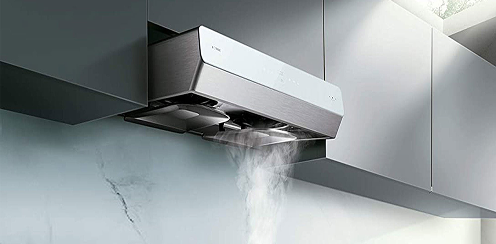
A range hood uses a blower to capture cooking air as it rises from your cooktop. Grease filters remove larger airborne particles before the air is either sent outdoors through ductwork or passed through additional filters and recirculated into the kitchen.
The basic process involves four steps:
- Smoke, grease, steam, heat and odors rise from the cooking surface.
- The hood captures the rising air within its intake area.
- A blower pulls the air through a grease filter.
- The air either exits the home through ductwork or passes through a charcoal filter before returning to the room.
How well this process works depends on the hood’s size, airflow, mounting position, fan speed, filter condition and, for ducted models, the design of the duct route.
How a Range Hood Moves Air
Ducted and recirculating range hoods begin with the same basic process. The hood captures air above the cooking surface, and a blower moves that air through a grease filter. What happens next depends on the ventilation configuration.
How a Ducted Range Hood Works
A ducted range hood moves captured air through metal ductwork and releases it outside the home. This removes captured smoke, odors, heat, and moisture instead of returning them to the kitchen.
The duct’s diameter, length, and number of turns affect how easily air can move through the system. A restrictive route can reduce performance and increase noise, even with a powerful hood blower.
How a Recirculating Range Hood Works
A recirculating, or ductless, range hood does not send air outdoors. After passing through the grease filter, the air moves through a carbon or charcoal filter that helps reduce cooking odors. The filtered air then returns to the room.
Recirculating operation provides greater installation flexibility, but it does not remove heat or moisture from the home. Its performance also depends heavily on regular grease-filter cleaning and charcoal-filter replacement.
For help choosing between the two configurations, compare ducted and ductless range hoods.
Different Types of Range Hoods
A range hood’s mounting style describes where and how it fits into the kitchen. Its airflow configuration describes whether it vents air outdoors or recirculates filtered air. Some mounting styles are available in more than one airflow configuration.

Ceiling-Mounted Range Hoods
Ceiling-mounted and island range hoods hang above cooking surfaces that are not positioned against a wall. They require sufficient coverage and capture depth because they must collect cooking air without the help of a nearby wall.
Many ceiling-mounted models use ductwork routed through the ceiling, although the available configuration depends on the product and kitchen.
Wall-Mounted Range Hoods
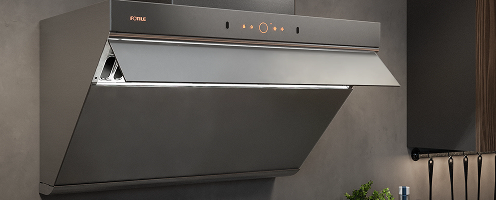
Wall-mounted range hoods attach to the wall above a range or cooktop. Ducted models may vent vertically through the ceiling or horizontally through an exterior wall, depending on the hood and kitchen layout.
Wall-mounted hoods are available in traditional canopy designs as well as angled or inclined configurations.
Under-the-Cabinet Range Hoods
Under-the-cabinet hoods mount beneath the cabinet above the cooking surface. They save wall space and can often be integrated into an existing cabinet layout.
Depending on the model, an under-cabinet hood may connect to exterior ductwork or operate with a recirculation kit. FOTILE’s Pixie Air Series includes under-cabinet options for different kitchen configurations.
Ductless Range Hoods
A ductless hood filters captured air and returns it to the kitchen. Because exterior ductwork is not required, this configuration can work in apartments, condominiums, and kitchens where structural modifications are impractical.
Ductless hoods require compatible charcoal filters and ongoing filter replacement. They also return heat and moisture to the room.
Microwave Range Hoods
An over-the-range microwave combines microwave cooking with a built-in ventilation fan. Some models vent outdoors, while others recirculate air through filters.
Performance varies by model, capture area, airflow, and installation. Compare the microwave’s ventilation specifications with a dedicated range hood before deciding which format meets your cooking needs.
Essential Parts of a Range Hood
Most range hoods use a similar group of components to capture and move cooking air. The exact configuration depends on whether the hood is ducted, recirculating or convertible.
Range Hood Blower or Fan
The blower creates the airflow that pulls cooking emissions into the hood and moves them through the filtration or ventilation system. Fan speeds allow the user to adjust airflow for different cooking conditions.
Internal, Inline and External Blowers
Blowers may be positioned in several locations:
- Internal blower: Installed inside the range hood
- Inline blower: Installed within the duct route away from the hood
- External blower: Installed at or near the exterior termination point
Moving a blower farther from the kitchen may reduce the sound heard at the cooking area, but blower placement is not the only factor. Fan speed, duct resistance, motor design and installation quality also affect noise.
Single and Dual Blowers
Some hoods use one blower, while others use two motors or blower assemblies to support higher airflow or a wider capture area. The number of blowers alone does not determine performance.
Compare the hood’s measured airflow, sound ratings, cooktop coverage and recommended application instead of choosing solely by motor count.
Range Hood Controls
The control panel lets you adjust fan speed and lighting. Depending on the model, it may also include:
- Multiple blower speeds
- Task lighting
- Delayed shutoff
- A timer or clock
- Filter-maintenance reminders
- Heat lamps
- Motion, remote or app-based controls
Higher fan settings usually move more air and create more sound. Lower speeds may be sufficient for simmering or light cooking, while frying and searing may require greater airflow.
Range Hood Filter Types
Filters protect the hood’s internal components and help manage grease or odors. The filter system depends on whether air is exhausted or recirculated.

Carbon or Charcoal Filters
Charcoal filters are used in recirculating systems to help reduce cooking odors before air returns to the kitchen. They are commonly paired with a separate grease filter.
Most charcoal filters are not washable. Replace them according to the hood manufacturer’s instructions and sooner if odors linger or airflow appears restricted.
Stainless Steel Baffle Filters
Baffle filters force cooking air to change direction as it passes through the filter. Grease separates from the airflow and collects on the filter surfaces rather than continuing into the blower and ductwork.
Many stainless steel baffle filters are washable, but cleaning instructions vary. Confirm whether the selected filter can be placed in a dishwasher.
Aluminum Mesh Filters
Aluminum mesh filters use multiple layers of material to capture airborne grease. They are found in ducted and recirculating models and may be paired with a charcoal filter in a ductless configuration.
Mesh filters require regular cleaning because accumulated grease can restrict airflow. Replace a filter if it becomes damaged or cannot be cleaned adequately.
Range Hood Ductwork
Ductwork carries captured air from a ducted hood to an exterior termination point. It may run vertically through a cabinet and ceiling or horizontally through a wall.
Duct Shape, Size and Material
Range hood ducts are commonly made from rigid metal. The required shape and diameter depend on the selected hood and installation.
Do not reduce the duct below the manufacturer’s required size. Flexible or heavily corrugated material can create additional resistance and may not be allowed for a particular installation. Follow the hood manual and applicable building requirements.
Why the Duct Route Matters
Every turn, transition and additional section of duct adds resistance to the airflow. A shorter, smoother route with fewer bends generally allows the hood to operate more effectively.
The exterior vent should discharge outside, not into an attic, basement, crawlspace, or enclosed wall cavity. Review FOTILE’s guide to range hood venting options before planning the route.
Kitchen and Cooking Benefits of a Range Hood
A properly selected and maintained range hood can make the kitchen more comfortable by capturing cooking byproducts close to where they are produced.

Capture Smoke, Grease and Odors
Cooking can release smoke, grease particles, steam, and strong odors into the kitchen. A range hood captures some of these emissions before they spread to nearby walls, cabinets and living areas.
A ducted hood sends captured air outdoors. A recirculating hood filters grease and odors before returning air to the room.
Make High-Heat Cooking More Comfortable
Frying, searing, and wok cooking can produce substantial smoke, heat and airborne grease. Using the hood at an appropriate fan speed helps manage these emissions while you cook.
Turning the hood on shortly before cooking and leaving it on briefly afterward may help the system capture residual odors and airborne particles.
Improve Visibility and Cooking Control
Integrated task lighting makes it easier to see the cooktop, monitor food and clean the cooking surface. Variable fan speeds also let you adjust ventilation as cooking conditions change.
Support the Kitchen’s Design
Range hoods are available in wall-mounted, under-cabinet, island, insert and inclined configurations. The hood can serve as a visual focal point or integrate more quietly into the cabinetry.
Performance should remain the first consideration. Confirm the hood’s width, capture area, mounting requirements and airflow before selecting a design.
Residential vs. Commercial-Grade Range Hoods
Commercial kitchen ventilation systems are designed around commercial appliances, high cooking volumes, fire-suppression requirements and building codes. They may require specialized exhaust, makeup air and professional engineering that are unnecessary or impractical in a home.
A residential hood should be sized around the household’s cooktop, kitchen layout and cooking habits. High-output residential models can support frequent frying, searing and other demanding cooking without installing a commercial system.
Before purchasing an unusually high-airflow hood, confirm local requirements and whether the home may need makeup air to replace the air being exhausted.

Range Hood FAQs
Do Range Hoods Need to Be Vented Outside?
Not every range hood needs exterior ductwork. A ducted hood must discharge outdoors, while a ductless hood filters and recirculates air into the kitchen.
A ducted hood should not terminate in an attic, crawlspace, basement or enclosed wall cavity. The installation must follow the product instructions and applicable building requirements.
How Do Recirculation Kits Work?
A recirculation kit adapts a compatible hood for ductless operation. Cooking air first passes through a grease filter and then through a charcoal filter that helps reduce odors. The filtered air is released back into the kitchen.
Only use a recirculation kit and filters approved for the specific hood model.
What Is the Quietest Range Hood?
There is no single quietest configuration for every kitchen. Range hood sound depends on fan speed, motor design, blower location, airflow resistance and duct installation.
Compare sound measurements at more than one speed. A hood that is quiet on its lowest setting may become considerably louder at maximum airflow. Read FOTILE’s guide to range hood noise ratings for a fuller explanation.
Is It Better to Vent a Range Hood Through the Wall or Roof?
Either route may work when it is permitted by the hood manufacturer and local requirements. The better route is usually the one that reaches the outdoors with the correct duct size, the shortest practical distance and the fewest bends.
Roof and wall terminations also require the correct exterior cap, weather protection and clearances.
How Much CFM Does a Range Hood Need?
CFM measures how many cubic feet of air the hood can move per minute. The appropriate airflow depends on:
- Cooktop width
- Gas burner output or electric cooking configuration
- Kitchen volume
- Cooking habits
- Hood mounting position
- Duct length and number of turns
- Applicable building requirements
Use FOTILE’s guide to determine how many CFM your range hood needs.
What Is the Best Range Hood for Induction Cooking?
Induction cooking does not create combustion gases, but cooking still produces steam, grease, smoke, heat and odors. Choose a hood that adequately covers the cooking surface and provides airflow suited to the kitchen and cooking methods.
A universal 600- or 900-CFM requirement does not apply to every induction kitchen. Review the cooktop and hood specifications together.
How Often Should Range Hood Filters Be Cleaned or Replaced?
The schedule depends on the filter type, cooking frequency and manufacturer’s instructions:
- Clean reusable baffle or mesh grease filters regularly and whenever grease buildup becomes visible.
- Replace disposable filters when they are saturated or damaged.
- Replace charcoal filters according to the product manual and sooner if odors persist or airflow declines.
Never assume a filter is dishwasher-safe unless the manufacturer identifies it as washable.
How Far Above the Stove Should a Range Hood Be?
The correct mounting height depends on the hood, cooktop, heat output and installation requirements. Installing the hood too high can reduce capture, while installing it too low can create clearance or heat problems.
Follow the range hood manufacturer’s stated minimum and maximum mounting heights. FOTILE’s range hood installation guide explains additional installation considerations.
Explore FOTILE Range Hoods
FOTILE offers under-cabinet, wall-mounted, inclined, perimeter-vent, island and insert range hoods for different kitchen layouts and cooking needs.

Before choosing a model, confirm the hood width, mounting height, ventilation configuration, airflow, sound ratings and filter requirements. Explore the complete collection of FOTILE range hoods to compare available options.