
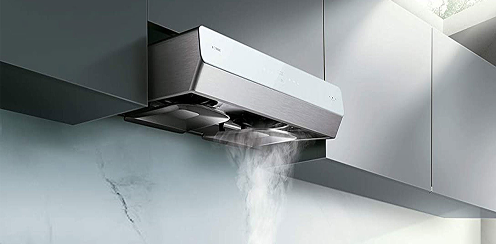
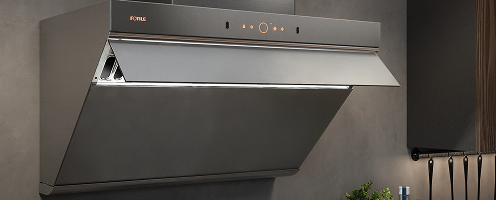







A range hood operating at approximately 1 to 2 sones is generally considered quiet. Ratings around 3 sones are more noticeable but may still allow comfortable conversation, while ratings of 5 sones or higher can become disruptive during extended use.
When shopping for a range hood, one of the key factors to consider is how loud it will be. Nobody wants a fan roaring through the kitchen while they cook, talk with family, or entertain guests. That is where understanding range hood sone ratings and noise levels becomes important.
This guide explains the difference between sones and decibels, what common sone ratings sound like, how fan speed affects noise, and which installation factors can make a range hood sound louder or quieter.
The advertised minimum is not the only number that matters. Sound changes with fan speed, CFM, duct configuration, installation, and the amount of ventilation your cooking requires. Understanding those differences can help you choose a hood that provides effective airflow without creating unnecessary noise.
Explore FOTILE’s collection of range hoods to compare sizes, ventilation options, features, and sound specifications.
What Is the Difference Between Sones and Decibels?
Decibels, abbreviated as dB, measure sound pressure on a logarithmic scale. This means that a numerical increase in decibels does not represent the same increase in perceived loudness.
Sones describe how loud a sound is perceived by the human ear. The sone scale is linear, so two sones are perceived as twice as loud as one sone. A sound rated at six sones is perceived as twice as loud as one rated at three sones.
This makes sones a practical measurement for comparing ventilation equipment. One sone is approximately comparable to the sound of a quiet refrigerator operating in a quiet kitchen.
There is no single exact conversion between sones and decibels that applies to every range hood. Sound frequency, testing conditions, fan speed, airflow, and duct configuration can all influence the measurements. When comparing models, use the same measurement and similar operating conditions whenever possible.
What Are Sone Ratings for Range Hoods?
A range hood’s sone rating indicates how loud the fan is perceived to be while operating. The lower the rating, the quieter the hood sounds.
A one-sone range hood can blend into the normal background sound of a home. As the number increases, the fan becomes easier to hear and may begin competing with conversation, music, or television.
The fan speed tied to the rating matters. A manufacturer may advertise a low minimum sone rating even though the hood becomes considerably louder at medium, high, or boost speed.
The following comparisons provide a practical way to understand common range hood sound ratings. Actual perceived noise can vary based on room size, background sound, installation, and surrounding surfaces.
| Sone Rating | Approximate Real-World Sound |
|---|---|
| Less than 1 sone | Very quiet and easy to overlook |
| 1 sone | Similar to a quiet refrigerator |
| 2 sones | Similar to soft background music |
| 3 sones | Similar to face-to-face conversation |
| 4 sones | Comparable to an electric shaver |
| 5 sones | Similar to a busy restaurant |
| 6 or more sones | Prominent background noise that may compete with conversation |
How Does CFM Affect a Range Hood’s Sone Rating?
CFM stands for cubic feet per minute. It measures the volume of air a range hood moves in one minute and helps indicate how much ventilation the hood can provide.
As fan speed and CFM increase, the sone rating usually rises because the motor works harder and air moves faster through the hood and ductwork. Motor design, blower efficiency, duct resistance, and the hood’s capture area can influence how much sound is produced at a given airflow.
The same range hood may have a different sone rating at each fan speed:
- Low speed is usually the quietest option and may be sufficient for simmering, boiling, or light steam.
- Medium speed provides more airflow for everyday sautéing and cooking on multiple burners, with a moderate increase in noise.
- High or boost speed moves the most air for frying, searing, wok cooking, or clearing heavy smoke and odors, but it is generally the loudest setting.
A louder maximum setting is not automatically a drawback when it is only needed for short periods. Compare the sound rating at each speed rather than relying solely on the lowest advertised number.
Use FOTILE’s guide to calculate the CFM your range hood needs so quiet operation does not come at the expense of adequate ventilation.
What Affects a Range Hood’s Noise Level?
A range hood’s noise level is not determined by its sone rating alone. Fan speed, airflow, duct resistance, vibration, installation, and nearby surfaces all influence what you hear in the kitchen.
Understanding these factors can help you compare models and avoid installation conditions that make an otherwise quiet hood sound louder.
Place of Installation
The installation location can influence how loud a range hood sounds. An under-cabinet hood may reflect sound from surrounding cabinetry, while open wall-mounted or island installations distribute sound differently through the room.
Ductwork can also have a major effect. Long duct runs, narrow ducts, sharp bends, flexible material, and restrictive exterior caps create resistance and turbulence. These conditions can increase noise while reducing effective airflow.
Duct direction may change a model’s published rating as well. Some FOTILE range hoods list separate sone values for vertical and horizontal duct configurations. Review the specifications that match your intended installation.
Proper mounting and well-designed ductwork can prevent avoidable rattling, vibration, and airflow noise. Consult the model instructions and FOTILE’s range hood installation guide before installation.
Size of Range Hood
A larger range hood is not automatically louder. Hood width, blower design, motor efficiency, fan speed, and capture-area size all affect how much airflow and sound the appliance produces.
A properly sized hood may capture smoke and cooking fumes more effectively without requiring maximum speed for every meal. A hood that is too small may need to run at a higher, louder setting more often.
Choose a hood that adequately covers the cooking surface before comparing noise ratings. FOTILE’s range hood size guide explains how cooktop width, hood depth, and installation style affect sizing.
Range Hood Features
Variable fan speeds let you adjust airflow based on what you are cooking. Lower speeds can handle light cooking more quietly, while high or boost settings provide additional ventilation when frying, searing, or producing heavier smoke.
Some range hoods use motor designs, internal airflow paths, sound insulation, and vibration control to reduce noise. Delayed shutoff features can continue clearing lingering odors at a lower, quieter speed after cooking.
These features help balance ventilation and sound, so you can avoid choosing between an underpowered hood and one that is unnecessarily loud during everyday use.
Is 3, 5, or 7 Sones Loud for a Range Hood?
A range hood operating at three sones is noticeable but may still be comfortable for everyday cooking. Its perceived loudness is approximately comparable to normal face-to-face conversation. This level should allow most kitchen activities to continue without significant disruption.
At five sones, the fan becomes more prominent and may compete with nearby conversation, particularly in an open kitchen. This sound level may still be acceptable for shorter periods when frying, searing, or cooking foods that produce heavier smoke and odors.
A seven-sone range hood is relatively loud for a residential kitchen. It may be reasonable as a temporary high or boost setting, but many homeowners would find it distracting during extended operation.
Consider how often you expect to use each speed. A model with a quiet low setting and a louder boost setting may provide a practical balance if most meals require only low or medium airflow.
How Many Sones Is a Quiet Range Hood?
For most residential kitchens, approximately 1 to 2 sones is considered quiet. This level can blend into ordinary household background sound without overpowering conversation, music, or television.
A hood operating at approximately 3 sones is more noticeable but may still feel comfortable for regular cooking. Ratings around 4 to 5 sones are easier to hear across an open kitchen. Ratings above 5 sones may be acceptable for short periods at high speed but can feel loud during continuous use.
Always confirm which fan speed produced the advertised rating. A range hood promoted as operating at 1.2 sones may reach that level only on low speed and become louder as airflow increases.
Why Should You Consider Sone Ratings in Your Range Hood?
A quieter range hood is easier to use consistently, especially in an open layout where kitchen noise can carry into nearby dining and living areas. If the fan interferes with conversation or entertainment, homeowners may be less likely to operate it for as long as needed.
Sone ratings provide a useful way to compare comfort, but they should be considered alongside CFM, fan speeds, cooktop size, duct requirements, and cooking habits.
The best range hood is not necessarily the model with the lowest possible sound rating. It is the one that provides enough ventilation for demanding meals while remaining comfortable at the speeds you use most often.
Get a Quiet but Powerful Range Hood From FOTILE
FOTILE range hoods offer multiple fan speeds that let you use quieter airflow for light cooking and increase ventilation when smoke, steam, or odors require it. Models such as the UQG3002 Pixie Air range hood and UQS3001 Pixie Air range hood offer low sound options to keep your kitchen quiet.
When choosing a model, review the sone rating at each speed and confirm whether the specifications apply to vertical or horizontal ducting. Compare FOTILE range hoods to find the right balance of quiet operation, ventilation, size, and features for your kitchen.