







Range vs. cooktop and wall oven: both can give you the cooking power you need, but they work very differently in your kitchen.
A range combines your cooktop and oven in one appliance, while a cooktop and wall oven give you more freedom to separate your cooking zones.
Here, we’ll compare the cost, space requirements, installation, cooking capacity, accessibility, and design of each setup so you can choose the best fit for your home.
Ready to upgrade your kitchen? Explore FOTILE’s cooktops and ranges to find the right setup for your space.
What Is a Kitchen Range?
A kitchen range combines a cooktop and oven into one appliance, with the cooking surface on top and the oven directly below. This all-in-one design keeps your main cooking functions in one place while using space efficiently.
Ranges are available in gas, electric, and induction models, with features like convection cooking, multiple oven modes, and specialty burners depending on the model. Because they only require one appliance opening, ranges can be a great fit for smaller kitchens or homes with limited cabinet and counter space.
What Is a Cooktop and Wall Oven Combo?
A cooktop and wall oven setup separates your stovetop and oven into two appliances, with the cooktop installed in the countertop and the oven built into nearby cabinetry. This layout gives you more flexibility to place each appliance where it works best, such as putting the cooktop on an island and the oven closer to your prep area.
It can also create separate cooking zones, which may be helpful in larger kitchens or homes where multiple people cook at once. Because wall ovens can be installed higher than a standard range oven, they can also be easier to access without as much bending.
Range vs Cooktop and Wall Oven: 7 Main Differences
Both setups can handle everyday cooking, but the way they fit into your kitchen can be very different.
Here’s a quick comparison:
| Factor | Range | Cooktop + Wall Oven |
|---|---|---|
| Space | Combines cooktop and oven in one footprint | Requires separate counter and cabinet space |
| Cost | Usually less expensive overall | Often costs more to purchase and install |
| Installation | Generally simpler | Requires separate appliance installations |
| Layout Flexibility | Keeps cooking functions together | Cooktop and oven can be placed separately |
| Accessibility | Oven sits below the cooktop | Wall oven can be installed higher |
| Cooking Capacity | Works well for most everyday cooking | Can offer more oven capacity |
| Best For | Smaller kitchens and straightforward remodels | Larger kitchens and custom layouts |
1. Cost
A range is usually the more budget-friendly option because you’re purchasing one appliance instead of two. Installation may also cost less, especially if you’re replacing an existing range in the same location.
A cooktop and wall oven setup can cost more because you’ll need separate appliances along with the cabinetry, countertop openings, and utility connections required for each one.
2. Installation Requirements
Ranges are generally easier to install because the cooktop and oven are already combined in one unit. If your kitchen is already designed for a range, replacing it may only require finding a model with compatible dimensions and connections.
Installing a separate cooktop and wall oven takes more planning. Your cooktop needs the correct countertop cutout, while the oven requires a dedicated cabinet opening and proper electrical or gas connections.
3. Kitchen Space & Layout
A range can be a smart choice for smaller kitchens because it combines two major appliances into one footprint. That leaves more room for cabinets, countertops, storage, and food preparation.
A cooktop and wall oven use space in two separate areas, but that can be an advantage in larger kitchens. You can place each appliance where it works best for your layout instead of keeping them together.
4. Ergonomics & Accessibility
One of the biggest differences between these setups is oven placement.
The oven in a range sits close to the floor, so you’ll need to bend down when placing food inside or removing hot cookware. A wall oven can be installed higher, making it easier to reach without crouching as far.
This can be especially helpful for homeowners who want a kitchen that is more comfortable to use over time.
5. Cooking Capacity
A standard range offers enough cooking space for most everyday meals, baking, and entertaining.
A cooktop and wall oven setup can give you more options if you need extra capacity. For example, you may be able to install a double wall oven if you regularly cook several dishes at different temperatures.
Separate appliances can also make it easier for multiple people to cook at once.
6. Design Flexibility
A range creates one central cooking station and can become a visual focal point when paired with a backsplash or range hood.
A cooktop and wall oven give you more freedom to separate your cooking zones. You might install the cooktop on an island, for example, while placing the oven along a nearby wall.
This can create a more customized layout and a built-in appearance.
Range Pros and Cons
A range can be a practical choice if you want to keep cooking simple and make efficient use of your kitchen space.
Pros:
- Combines the cooktop and oven in one appliance
- Uses less total kitchen space
- Usually costs less than separate appliances
- Can be easier to install and replace
- Keeps your main cooking functions in one area
- Works well in smaller kitchens
Cons:
- The oven requires more bending
- You have less freedom to separate cooking zones
- Cooking capacity may be more limited
- The cooktop and oven are replaced together as one unit
Cooktop and Wall Oven Pros and Cons
A cooktop and wall oven combination can give you more control over how your kitchen is designed and how you cook.
Pros:
- Allows more layout flexibility
- Wall oven can be installed at a comfortable height
- Can provide additional oven capacity
- Makes it easier for multiple people to cook at once
- Creates a built-in, integrated appearance
- Lets you choose your cooktop and oven separately
Cons:
- Usually costs more than a single range
- Requires more cabinet and counter space
- Installation can be more involved
- May require additional electrical, gas, or cabinetry work
Which Setup Is Best for Your Cooking Needs?
The best choice depends on your kitchen size, budget, cooking habits, and how much flexibility you want.
Smaller Kitchen: Choose a Range
A range is often the better option when space is limited. Because the cooktop and oven share one footprint, you can preserve more cabinet and counter space for storage and food preparation.
For Simpler Installation: Choose a Range
If your kitchen already has a range, replacing it with another one can often be easier than converting the space for two separate appliances. This makes ranges a practical choice when you want to update your kitchen without making major structural changes.
More Cooking Flexibility: Choose a Cooktop and Wall Oven
A separate cooktop and wall oven can create distinct cooking zones, making it easier for two people to cook at the same time. You can also choose each appliance based on the features you use most.
Easier Oven Access: Choose a Cooktop and Wall Oven
If you want to avoid bending as much while cooking, a wall oven may be more comfortable to use. Since it can be installed higher than a standard range oven, loading and removing heavier cookware can feel easier.
Our Appliance Experts Answer Your Top Questions
Is a range better for a small kitchen?
A range is often a better fit for smaller kitchens because it combines the cooktop and oven into one appliance. This helps preserve more cabinet, counter, and storage space.
Is a cooktop and wall oven more expensive than a range?
In most cases, yes. You’re purchasing two appliances instead of one, and installation may require additional cabinetry, countertop work, or electrical and gas connections.
Can you install a cooktop over a wall oven?
Some cooktops and wall ovens can be installed together, but not every combination is designed for this setup. Always check the manufacturer’s installation requirements before planning your cabinetry.
Do a cooktop and wall oven need to be the same brand?
Not necessarily. Because they are separate appliances, you can often choose different brands as long as both models fit your kitchen layout and meet the required installation specifications.
Find the Right Cooking Setup With FOTILE
Whether you prefer the space-saving convenience of a range or the layout flexibility of a separate cooktop, FOTILE offers innovative appliances designed to make everyday cooking easier.
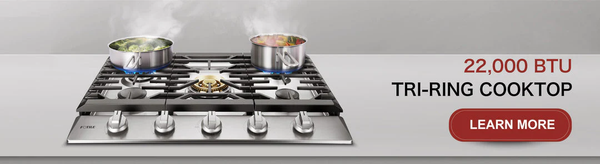
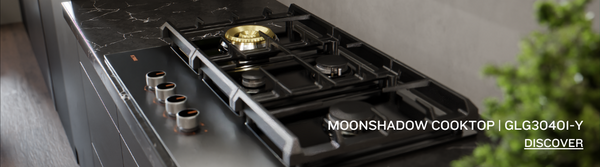
Explore FOTILE’s cooktops for a built-in cooking surface, or discover the FreshBake™ electric range for cooktop and oven functionality in one appliance.