



Coil, radiant smoothtop, or induction? All three run on the same kind of 240V outlet, but they heat your pans in very different ways. Pick the wrong one and you could end up with hot spots, slow boils, or a cabinet full of pans that won't work.
This guide covers how each type works, how fast it heats, what cookware it needs, and what it costs. As a company that builds electric ranges, cooktops, and the range hoods above them, FOTILE also covers the setup details most guides skip.
Coil vs. Radiant vs. Induction at a Glance
| Coil | Radiant Smoothtop | Induction | |
|---|---|---|---|
| How it heats | Exposed metal coils heat the pan | Elements under glass heat the glass, then the pan | A magnetic field heats the pan itself |
| Typical element power | About 1,200 to 2,600 watts | About 1,200 to 3,600 watts, often with dual or triple zones | About 1,400 to 3,700 watts, with a boost setting on many zones |
| Boil speed | Moderate | Moderate | Fastest, often about half the time |
| Turning the heat down | Slow, the coil stays hot | Slow, the glass stays hot | Instant, like gas |
| Cookware | Any flat-bottom pan | Flat-bottom pans | Magnetic pans only |
| Cleanup | Hardest: coils and drip pans | Easy: wipe the glass once cool | Easiest: spills don't bake on |
| Surface after cooking | Hot for several minutes | Hot for several minutes | Warm only where the pan sat |
| Typical price (30" range) | About $500 to $1,000 | About $700 to $2,000 | About $1,000 to $3,000+ |
| Best for | Tight budgets and rentals | Everyday cooking and easy cleanup | Speed, control, and homes with kids |
Understanding Different Types of Electric Ranges
Electric ranges can look alike, but the way they heat changes how you cook every day. Here's how each one works.
Radiant Smoothtop Electric Ranges
Radiant ranges have heating elements under a smooth ceramic glass top. The elements send heat up through the glass and into the pan. They heat more evenly than coils and wipe clean in seconds.
Many radiant tops have dual or triple zone elements, so one burner can shrink for a small saucepan or grow for a large stockpot. FOTILE's FreshBake™ range uses this setup, with five zones on a SCHOTT CERAN® glass top.
A few tradeoffs:
- The glass stays hot after you turn a burner off. Watch the hot surface light.
- Heat changes are slow, so slide the pan off the burner when food is done.
- Glass can scratch. Lift heavy pans like cast iron instead of sliding them, and use a ceramic cooktop cleaner and razor scraper for burned-on spots.
- Wipe up sugary spills quickly, since they can pit the glass.
Induction Electric Ranges
Induction cooktops use a magnetic field to heat the pan directly instead of the cooktop. That means fast heat, precise control, and a surface that only gets warm from the pan sitting on it. Most zones won't turn on without a pan in place, which makes induction a smart pick for homes with kids.
According to ENERGY STAR, induction is 5 to 10% more efficient than standard electric and about three times more efficient than gas. See how they compare in our induction, gas, and electric range statistics.
Things to know before you switch:
- Pans must be magnetic, like cast iron and most stainless steel. If a magnet sticks to the bottom, the pan will work.
- Aluminum, copper, and glass pans won't heat unless they have a magnetic base.
- Some pans hum or buzz on high settings. This is normal.
Coil Electric Ranges
Coil ranges use exposed metal elements that heat up and pass that heat straight to your pan. They're durable, work with any flat-bottom pan, and usually cost the least.
Cleanup takes more work, since spills drip under the coils. Most coils unplug, so you can wash the drip pans in the sink and replace a worn element without a repair call. Like radiant tops, coils stay hot for a few minutes after you turn them off.
Have a gas line? A dual fuel range pairs gas burners with an electric oven. Our guide to types of kitchen ranges covers gas and dual fuel.
What To Consider When Choosing An Electric Range
Beyond the cooktop, a few features decide how well a range fits your cooking, your kitchen, and your routine.
Oven Features
A good oven matters most if you bake or cook for a crowd. Look for:
- Convection: a fan moves hot air for faster, more even baking. Most recipes need about 25°F less. See conventional vs. convection ovens.
- Air fry: crisps food with little oil.
- Steam clean or self clean: steam clean loosens light spills with water and low heat. Self clean burns off heavy buildup at very high heat.
- Oven capacity: 5 cu. ft. or more gives you room for holiday meals, meal prep, and batch baking.
Electric Range Style
Electric ranges come in two main styles:
- Freestanding ranges: finished sides and a back panel with the controls. They're the easiest to install and often cost less.
- Slide-in ranges: sit flush with your counters and have front controls, with no back panel blocking your backsplash.
Your choice may come down to whether you're doing a full remodel or just replacing an old range.
Smart Technology
Modern electric ranges may offer:
- Wi-Fi and app control to preheat or check the oven from your phone
- Voice control with Alexa or Google Assistant
- Scan-to-cook and recipe features that set the time and temperature for you
- Hood sync, where the range turns on a matching range hood when you start cooking. FOTILE's SynCook™ does this with compatible FOTILE hoods.
Kitchen Layout Configurations
Measure your space before you shop. Check:
- Width: standard ranges are 30 inches wide. Measure the cabinet opening, not the old range.
- Power: most electric ranges need a dedicated 240V circuit, usually 40 or 50 amps. Induction models often need the higher end, so check the installation guide.
- Power cord: many ranges ship without one, including FOTILE's FreshBake™. Buy the cord that matches your outlet: 4-prong in most newer homes, 3-prong in some older ones.
- Control placement: front controls are easier to reach, while rear controls are harder for small kids to reach.
- Nearby appliances and prep space
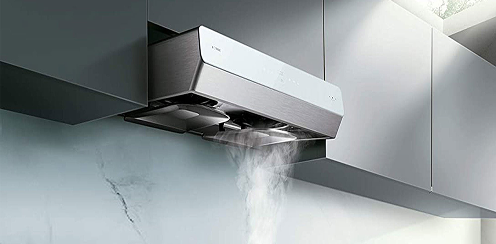
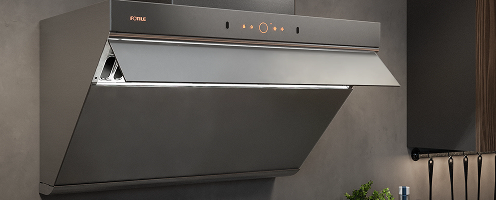
- Ventilation: electric ranges don't burn fuel, but cooking still puts smoke, grease, and steam into the air. Choose a hood at least as wide as your cooktop. Here's how many CFM your range hood needs.
Choosing a range that fits your layout keeps it working well and saves you installation headaches.
Which Electric Range Is Right for You?
Use the table above for the big picture. Here's how the choice plays out in real kitchens:
- You want the lowest upfront cost or you're outfitting a rental: coil.
- You want easy cleanup and don't want to replace your pans: radiant.
- You have young kids: induction, since zones only heat with a magnetic pan in place.
- You want speed and control close to gas: induction.
- You're replacing an old electric range: any of the three can use your existing 240V circuit. Confirm the amperage before you buy induction.
Find the Perfect Electric Range for Your Kitchen with FOTILE
FOTILE designs electric ranges and cooktops alongside the range hoods that clear the air above them. Our FreshBake™ 30" Electric Range pairs a five-zone radiant glass cooktop with a 5.7 cu. ft. oven, 9 cooking modes, and steam clean. Its built-in PCF filter removes over 90% of smoke, grease, and cooking VOCs at the source, according to FOTILE.
Browse our electric ranges and cooktops to find the right fit for how you cook.